When it comes to understanding the results of a statistical test, one of the most crucial values to consider is the p-value. It's a measure that helps researchers determine the significance of their findings and can make or break the validity of their conclusions. But calculating the p-value can seem daunting, especially for those without a strong statistical background. In this article, we'll break down the process into manageable steps, making it easier for you to calculate the p-value and interpret your results with confidence.
1. Define the Null and Alternative Hypotheses
The first step in calculating the p-value is to define the null and alternative hypotheses. The null hypothesis (H0) is the statement of no effect or no difference, while the alternative hypothesis (H1) is the statement of an effect or difference. For example, if you're testing the effect of a new medication on blood pressure, the null hypothesis might be "the new medication has no effect on blood pressure," while the alternative hypothesis would be "the new medication lowers blood pressure."
2. Choose a Significance Level
The significance level, often denoted by the Greek letter alpha (α), is the threshold beyond which the null hypothesis is rejected. The most commonly used significance level is 0.05, which means that if the p-value is less than 0.05, the null hypothesis is rejected. This value can be adjusted depending on the research context, but 0.05 is the standard benchmark.
3. Calculate the Test Statistic
The test statistic is a numerical value that measures the distance between the observed data and the expected data under the null hypothesis. The type of test statistic used will depend on the type of data and the research question. For example, if you're comparing the means of two groups, you might use a t-statistic or a z-statistic.
4. Determine the Degrees of Freedom
The degrees of freedom (df) is a critical concept in statistical hypothesis testing. It's the number of values in the final calculation of a statistic that are free to vary. The degrees of freedom will depend on the type of test being performed and the sample size. For example, in a t-test, the degrees of freedom is typically n-1, where n is the sample size.
5. Look Up the Critical Value or Use a Statistical Table
Once you have the test statistic and degrees of freedom, you can look up the critical value in a statistical table or use software to find it. The critical value is the value of the test statistic that corresponds to the chosen significance level. If your calculated test statistic exceeds the critical value, you can reject the null hypothesis.
6. Calculate the P-Value
The p-value is the probability of observing a test statistic at least as extreme as the one you calculated, assuming that the null hypothesis is true. The p-value can be calculated using statistical software or looked up in a table. It's essential to understand that the p-value is not the probability that the null hypothesis is true or false but rather a measure of the evidence against the null hypothesis.
7. Interpret the P-Value in Context
Interpreting the p-value requires considering the research question, the sample size, and the effect size. A small p-value (less than the significance level) indicates strong evidence against the null hypothesis, while a large p-value (greater than the significance level) indicates weak evidence against the null hypothesis. It's also important to consider the practical significance of the findings, not just the statistical significance.
8. Consider the Limitations and Potential Biases
Finally, when interpreting the p-value, it's crucial to consider the limitations and potential biases of the study. This includes issues like sampling bias, measurement error, and confounding variables. A significant p-value does not necessarily mean that the findings are practically significant or that they can be generalized to the broader population.
9. Use Statistical Software for Complex Calculations
In many cases, calculating the p-value requires complex statistical calculations that can be tedious and prone to error. Fortunately, statistical software like R, Python, or Excel can simplify this process. These programs can perform the calculations quickly and accurately, allowing you to focus on interpreting the results.
10. Practice and Seek Feedback
Like any skill, calculating and interpreting the p-value requires practice. It's essential to work through examples and exercises to become comfortable with the process. Seek feedback from peers or mentors to ensure that you're applying the concepts correctly and interpreting the results accurately.
If you are searching about How to Calculate P Value: 7 Steps (with Pictures) - wikiHow you've visit to the right page. We have 10 Pictures about How to Calculate P Value: 7 Steps (with Pictures) - wikiHow like How to Calculate P Value: 7 Steps (with Pictures) - wikiHow, How to Calculate P Value: 7 Steps (with Pictures) - wikiHow and also How To Calculate P Value | PDF | P Value | Chi Squared Distribution. Here you go:
How To Calculate P Value: 7 Steps (with Pictures) - WikiHow
 www.wikihow.com
How to Calculate P Value: 7 Steps (with Pictures) - wikiHow
How To Calculate P Value: 7 Steps (with Pictures) - WikiHow
 www.wikihow.com
How to Calculate P Value: 7 Steps (with Pictures) - wikiHow
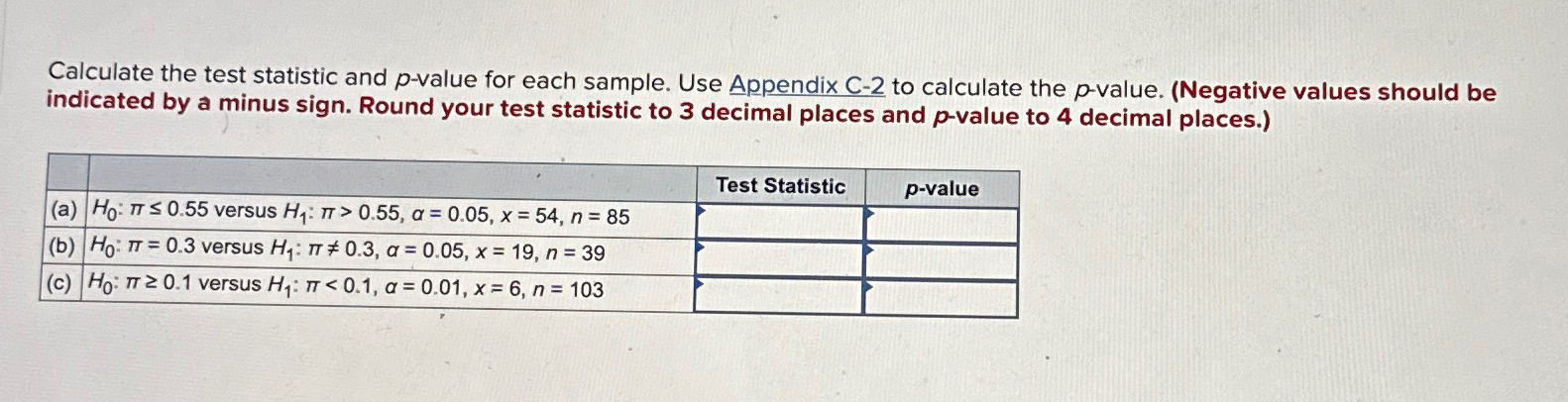
Solved Calculate The Test Statistic And P-value For Each | Chegg.com
 www.chegg.com
Solved Calculate the test statistic and p-value for each | Chegg.com
How To Calculate P Value | PDF | P Value | Chi Squared Distribution
 www.scribd.com
How To Calculate P Value | PDF | P Value | Chi Squared Distribution
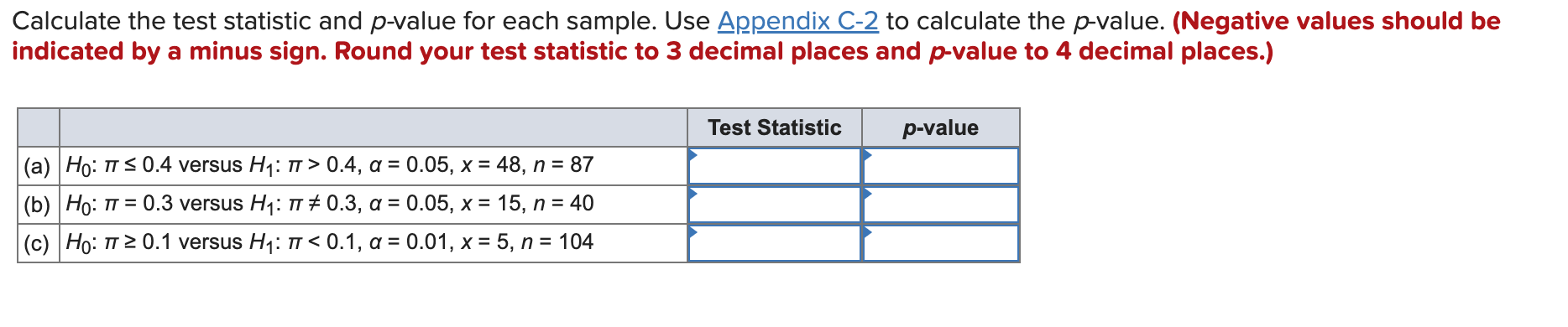
Solved Calculate The Test Statistic And P-value For Each | Chegg.com
 www.chegg.com
Solved Calculate the test statistic and p-value for each | Chegg.com
How To Calculate P Value: 7 Steps (with Pictures) - WikiHow
 www.wikihow.com
How to Calculate P Value: 7 Steps (with Pictures) - wikiHow
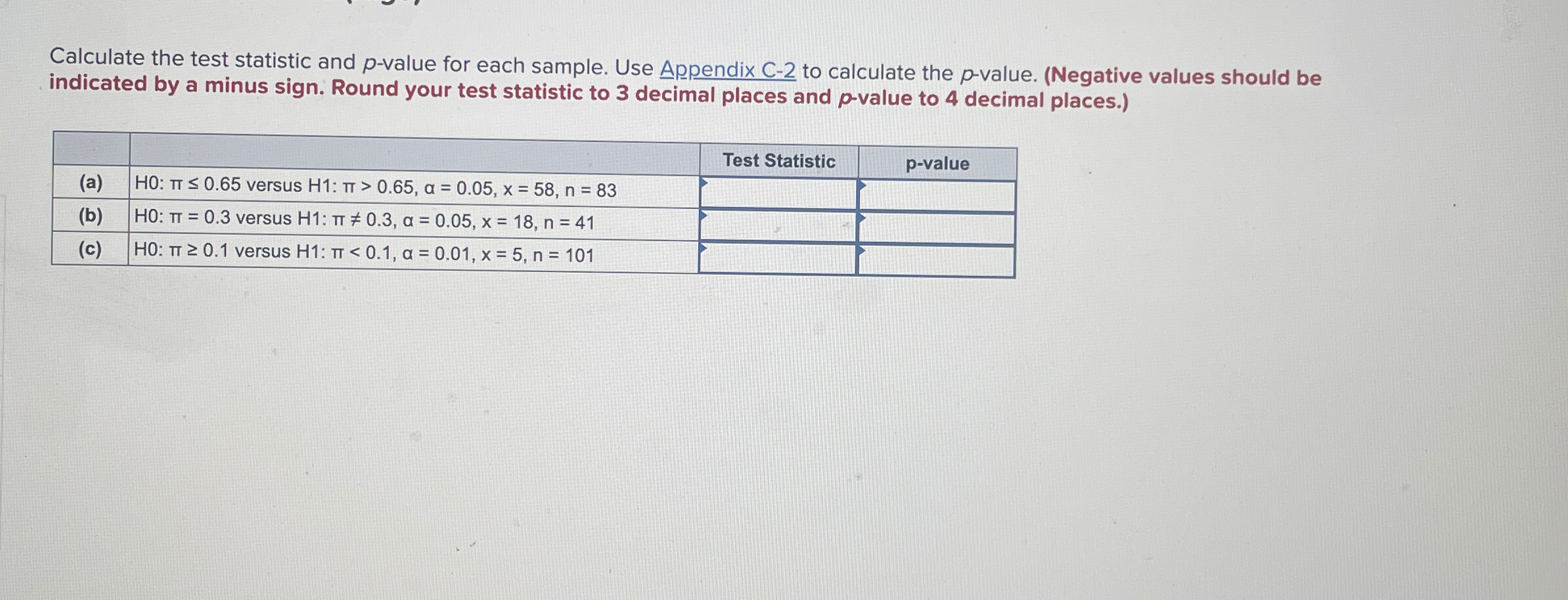
Solved Calculate The Test Statistic And P-value For Each | Chegg.com
 www.chegg.com
Solved Calculate the test statistic and p-value for each | Chegg.com
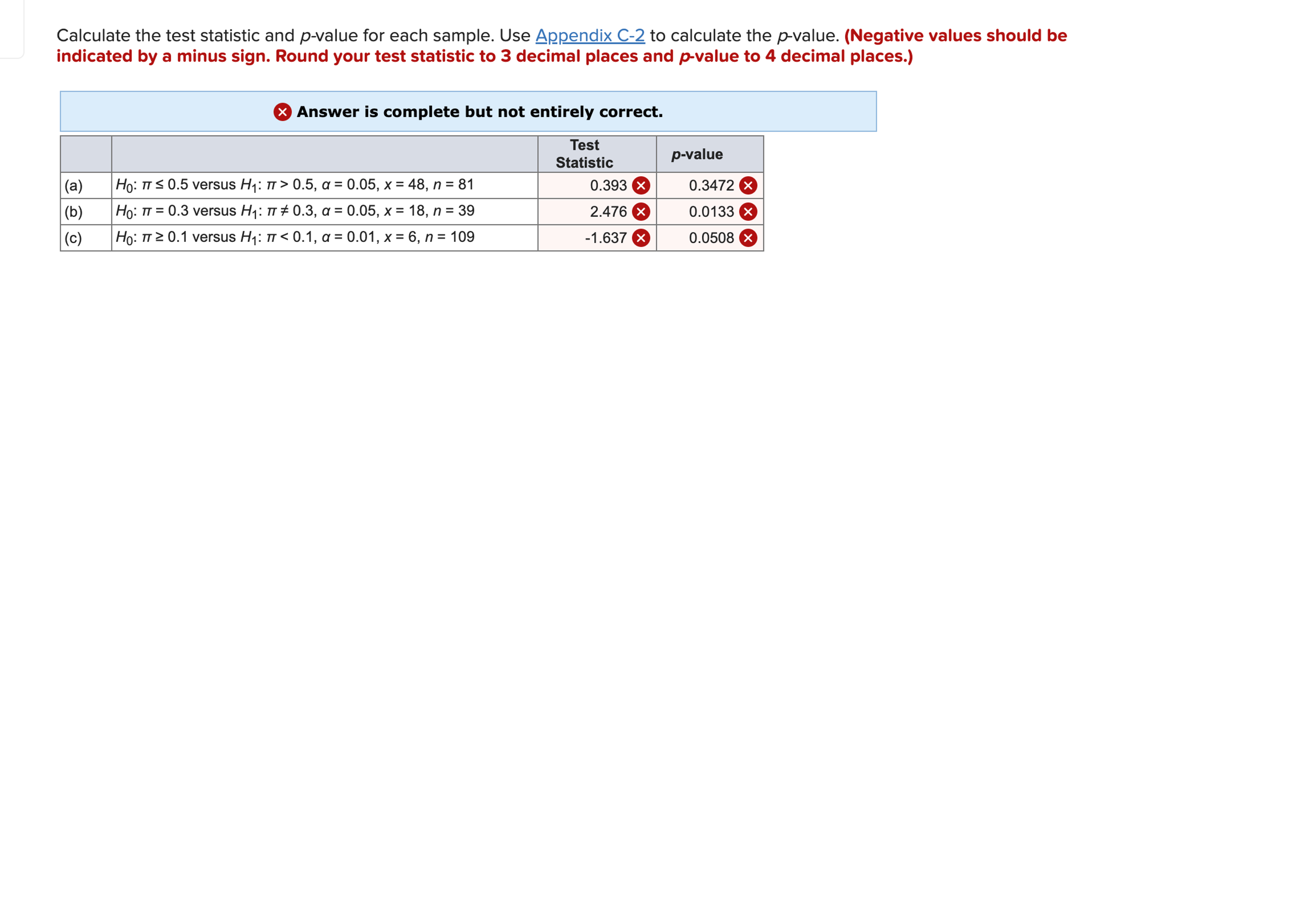
Solved Calculate The Test Statistic And P-value For Each | Chegg.com
 www.chegg.com
Solved Calculate the test statistic and p-value for each | Chegg.com
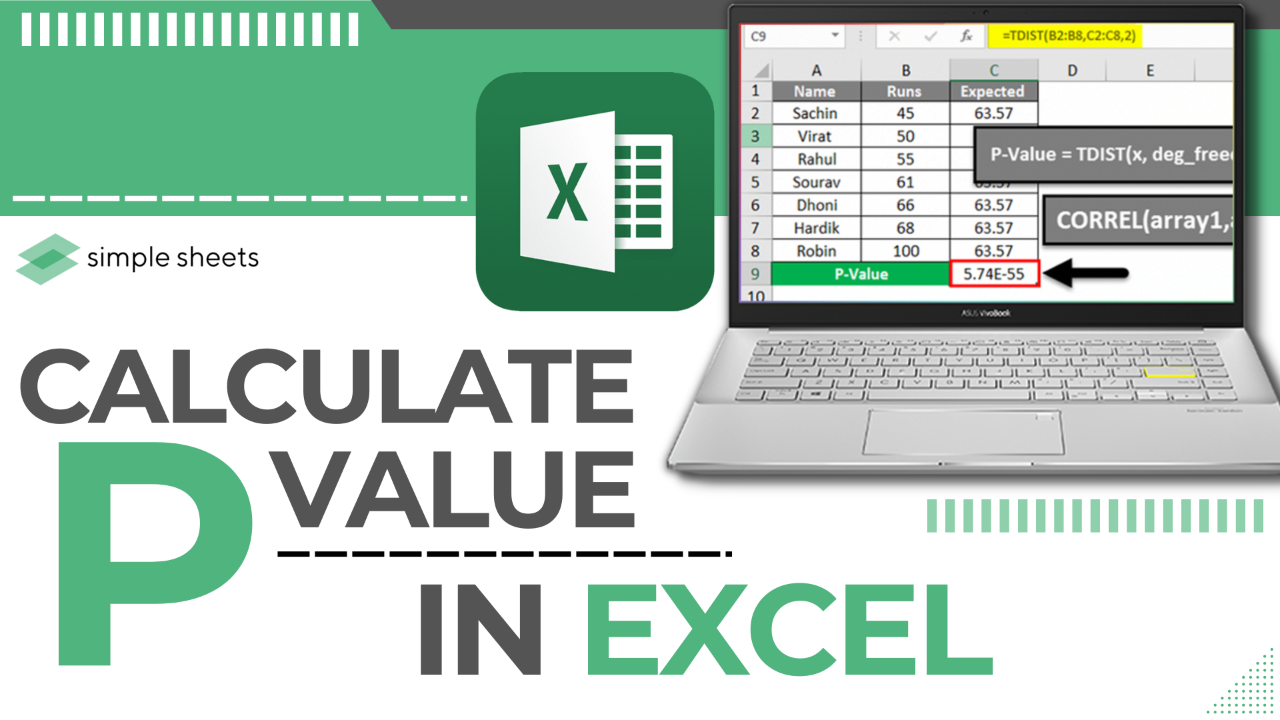
The Ultimate Guide On How To Calculate P-Value In Excel
 www.simplesheets.co
The Ultimate Guide On How To Calculate P-Value In Excel
How To Calculate P Value: 7 Steps (with Pictures) - WikiHow
 www.wikihow.com
How to Calculate P Value: 7 Steps (with Pictures) - wikiHow
Solved calculate the test statistic and p-value for each. How to calculate p value. how to calculate p value: 7 steps (with pictures)

