Inflation is a complex and multifaceted economic concept that can have a significant impact on the purchasing power of consumers. It is typically calculated using a variety of methods, including the Consumer Price Index (CPI), the Gross Domestic Product (GDP) deflator, and the Personal Consumption Expenditures (PCE) index. But have you ever wondered how inflation is actually calculated? In this article, we'll take a closer look at the steps involved in calculating inflation and explore some of the key factors that influence it.
1. Data Collection
The first step in calculating inflation is to collect data on the prices of a wide range of goods and services. This is typically done by government agencies, such as the Bureau of Labor Statistics (BLS) in the United States, which conducts surveys of businesses and households to gather information on prices. The data collected includes prices for things like food, housing, clothing, transportation, and entertainment, as well as prices for services like healthcare and education.
2. Weighting
Once the data has been collected, it's weighted to reflect the relative importance of each item in the average household budget. For example, housing costs are typically given a higher weight than entertainment costs, since housing is a larger component of most people's budgets. This weighting is usually based on data from household surveys and other sources.
3. Index Calculation
Next, the weighted prices are used to calculate an index, which is a statistical measure that shows how the prices of a basket of goods and services have changed over time. The most common type of index used to calculate inflation is the Laspeyres index, which is calculated by comparing the current prices of a fixed basket of goods and services to their prices in a base period.
4. Base Period
The base period is the reference period against which all other periods are compared. It's typically a year or a quarter, and it serves as the benchmark for measuring changes in prices over time. The base period is usually updated periodically to reflect changes in consumer spending patterns and other factors.
5. Price Changes
Once the index has been calculated, the changes in prices over time can be measured. This is typically done by comparing the current index to the index in the base period. If the current index is higher than the base period index, it means that prices have risen, and if it's lower, it means that prices have fallen.
6. Inflation Rate
The inflation rate is calculated by taking the percentage change in the index over a given period of time. For example, if the index rose from 100 to 105 over the course of a year, the inflation rate would be 5%. The inflation rate can be calculated over different time periods, such as monthly, quarterly, or annually.
7. Seasonal Adjustment
Some inflation indices are seasonally adjusted, which means that they take into account regular fluctuations in prices that occur at the same time every year. For example, prices for summer clothing tend to be higher in June than in December, so a seasonally adjusted index would account for this regular fluctuation.
8. Quality Adjustments
In some cases, quality adjustments are made to the index to account for changes in the quality of goods and services over time. For example, if a new model of car is introduced with improved safety features and better fuel efficiency, the price of the car may be adjusted to reflect the improved quality.
9. Owner-Occupied Housing
Owner-occupied housing is a special case in inflation calculations, since it's difficult to measure the price of housing services directly. Instead, the cost of owner-occupied housing is typically estimated using a combination of data on housing prices, rental prices, and other factors.
10. Revision and Update
Finally, inflation indices are regularly revised and updated to reflect changes in consumer spending patterns, new data sources, and other factors. This helps to ensure that the indices remain accurate and relevant, and that they continue to provide a reliable measure of inflation over time.
If you are looking for Measuring Inflation - Consumer Price Index - Economics Help you've visit to the right place. We have 10 Images about Measuring Inflation - Consumer Price Index - Economics Help like Understanding the Consumer Price Index: How Inflation is Measured and, Inflation Calculation | PDF | Consumer Price Index | Microsoft Excel and also Distributional Personal Consumption Expenditure Price Indexes: Initial. Read more:
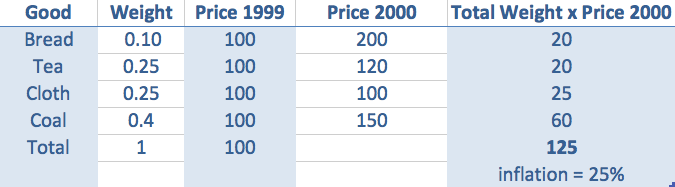
Measuring Inflation - Consumer Price Index - Economics Help
 www.economicshelp.org
Measuring Inflation - Consumer Price Index - Economics Help
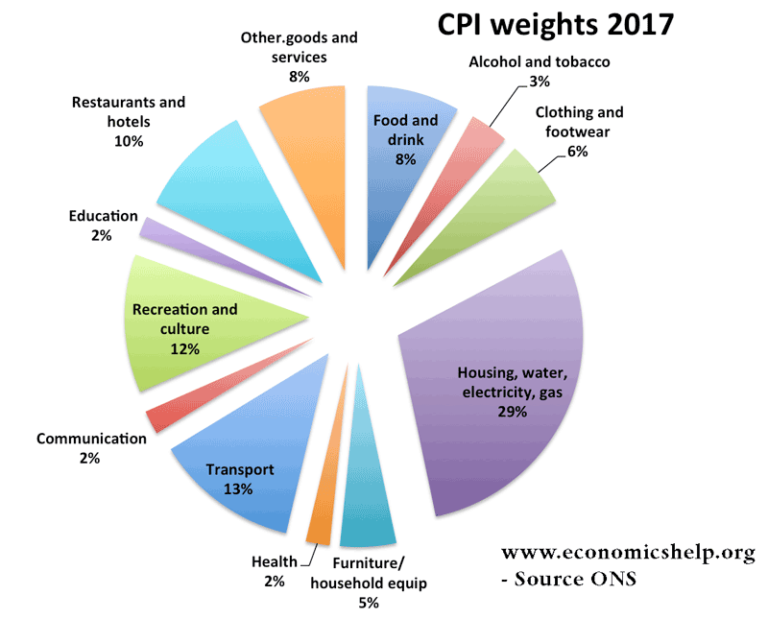
How Is Inflation Calculated? - Economics Help
 www.economicshelp.org
How is Inflation Calculated? - Economics Help
Inflation Calculation | PDF | Consumer Price Index | Microsoft Excel
 www.scribd.com
Inflation Calculation | PDF | Consumer Price Index | Microsoft Excel
How To Calculate Inflation: The Equation (& How To Use It)
 www.wikihow.com
How to Calculate Inflation: The Equation (& How to Use It)
Distributional Personal Consumption Expenditure Price Indexes: Initial
 www.bls.gov
Distributional Personal Consumption Expenditure Price Indexes: Initial ...
How To Calculate Inflation: The Equation (& How To Use It)
 www.wikihow.com
How to Calculate Inflation: The Equation (& How to Use It)
How To Decode Inflation: CPI, PCE, And PPI
 www.moomoo.com
How to Decode Inflation: CPI, PCE, and PPI
How To Calculate Inflation: 11 Steps (with Pictures) - WikiHow
 www.wikihow.com
How to Calculate Inflation: 11 Steps (with Pictures) - wikiHow
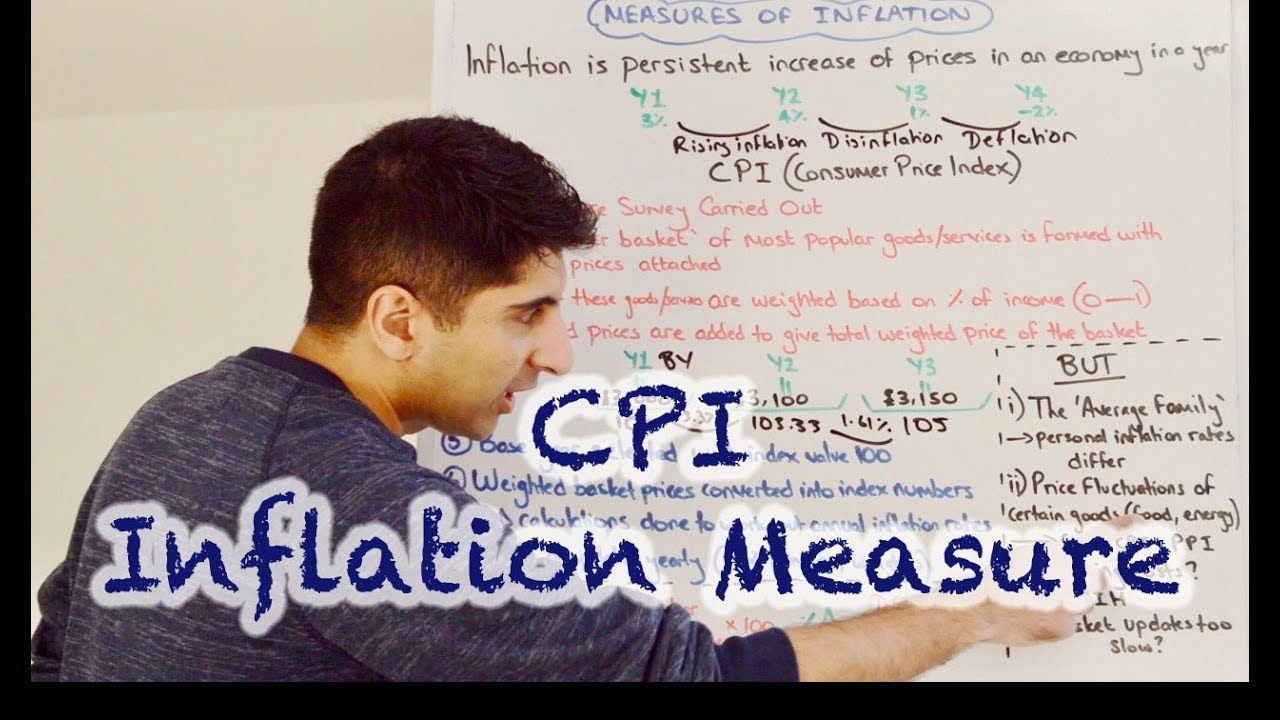
Understanding The Consumer Price Index: How Inflation Is Measured And
 galaxy.ai
Understanding the Consumer Price Index: How Inflation is Measured and ...
What Is Inflation? How It Is Calculated And Core Inflation Meaning
 inews.co.uk
What is inflation? How it is calculated and core inflation meaning ...
How to calculate inflation: the equation (& how to use it). inflation calculation. Understanding the consumer price index: how inflation is measured and

