Calculating the confidence interval proportion is a crucial step in statistics, allowing us to make inferences about a population based on a sample of data. It provides a range of values within which we can expect the true population proportion to lie. In this article, we'll break down the process into manageable steps, making it easier to understand and apply. Whether you're a student, researcher, or data analyst, mastering the confidence interval proportion will elevate your statistical analysis skills.
1. Define the Problem and Objective
To start calculating the confidence interval proportion, you first need to clearly define the problem you're trying to solve and what you aim to achieve. This involves identifying the population parameter of interest, typically denoted as p, which represents the proportion of the population that possesses a certain characteristic. Your objective is to estimate this proportion with a certain level of confidence.
2. Determine the Sample Size
The sample size, often represented as n, is critical in calculating the confidence interval proportion. A larger sample size generally leads to a narrower confidence interval, providing a more precise estimate of the population proportion. However, increasing the sample size beyond a certain point may not significantly improve the precision, and it can become impractical due to resource constraints.
3. Calculate the Sample Proportion
The sample proportion, denoted as p̂, is calculated by dividing the number of individuals in your sample that have the characteristic of interest (x) by the total sample size (n). So, p̂ = x / n. This gives you an estimate of the population proportion based on your sample data.
4. Choose a Confidence Level
The confidence level, typically represented as (1 - α), is the probability that the confidence interval will contain the true population proportion. Common confidence levels are 90%, 95%, and 99%. A higher confidence level means a wider confidence interval, indicating less precision but greater confidence that the interval contains the true population proportion.
5. Determine the Margin of Error
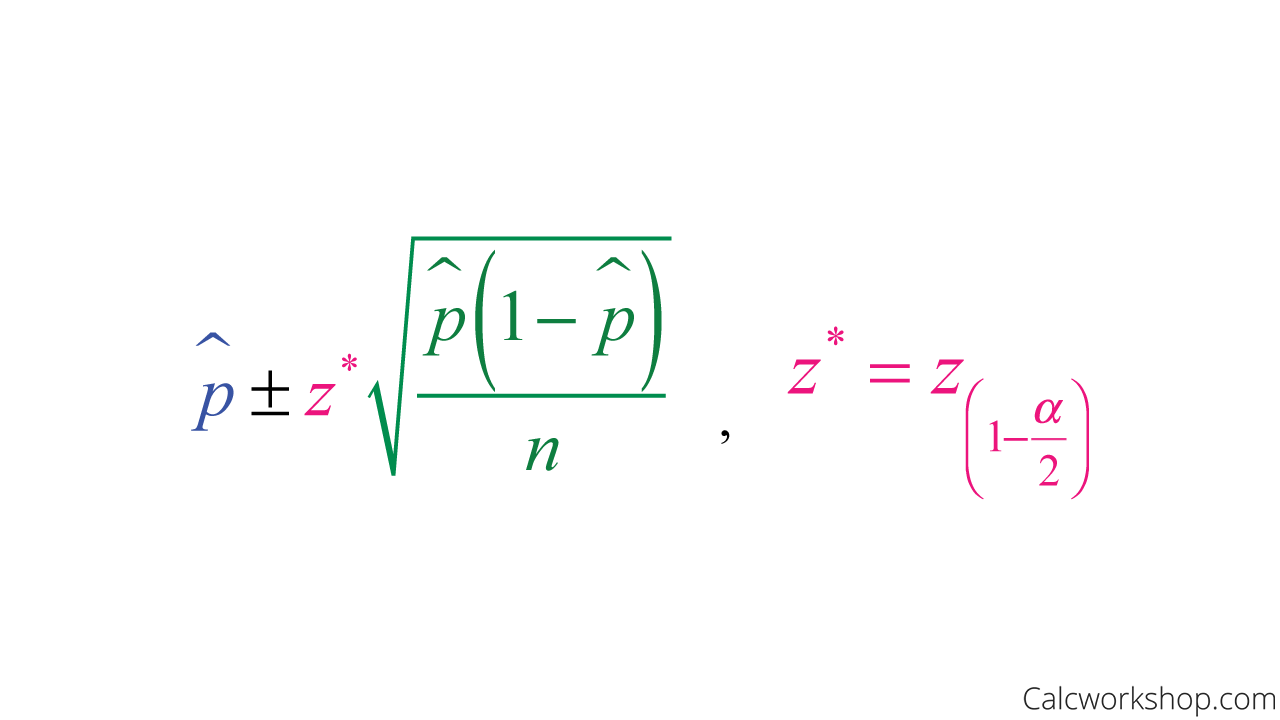
The margin of error, often denoted as E, can be calculated using the formula E = z * sqrt(p̂(1-p̂) / n), where z is the Z-score corresponding to your chosen confidence level. The margin of error represents the maximum amount by which the sample proportion is expected to differ from the true population proportion.
6. Calculate the Confidence Interval
With the sample proportion and margin of error determined, you can calculate the confidence interval using the formula: CI = p̂ ± E. This gives you a range of values within which you expect the true population proportion to lie, with the level of confidence you've specified.
7. Interpret the Confidence Interval
Interpreting the confidence interval is crucial for understanding the results. If the confidence interval does not cross 0 (or 50%, depending on the context), you can infer that the population proportion is statistically significantly different from 0 (or 50%). The width of the interval gives you an idea of the precision of the estimate.
8. Considerations for Small Samples
For small samples, the normal approximation used in the standard formula for the confidence interval may not be accurate. In such cases, alternative methods like the Wilson score interval or the Clopper-Pearson interval may provide more accurate estimates of the population proportion.
9. Use of Statistical Software
While manual calculations can be illustrative, in practice, statistical software or programming languages like R or Python are often used to calculate confidence intervals. These tools can make the process faster and reduce the likelihood of calculation errors, allowing for more complex analyses and visualizations.
10. Practical Applications
Understanding and calculating the confidence interval proportion has numerous practical applications across fields, including market research, medical studies, and social sciences. It helps researchers and analysts to make informed decisions based on data, taking into account the uncertainty associated with sampling.
If you are looking for How to Calculate Confidence Interval Proportion in Excel you've came to the right place. We have 10 Images about How to Calculate Confidence Interval Proportion in Excel like Confidence Interval – Proportion – Template Buddies, How to Calculate Confidence Interval Proportion in Excel and also Population Proportion (Stat How-To w/ 7 Examples!). Here you go:
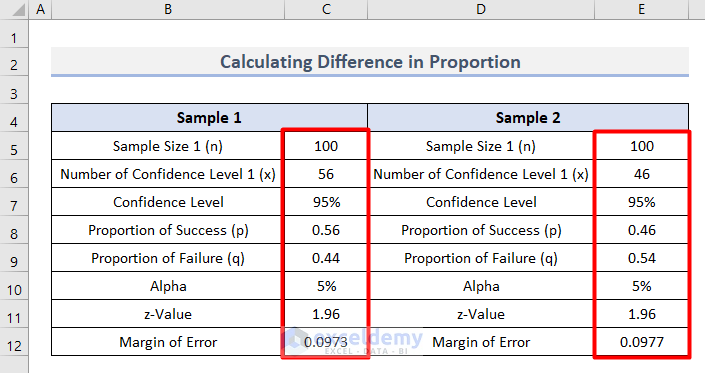
How To Calculate Confidence Interval Proportion In Excel
 www.exceldemy.com
How to Calculate Confidence Interval Proportion in Excel
Proportion Confidence Interval Calculator » Gilderlehrman.org
 staging.gilderlehrman.org
proportion confidence interval calculator » gilderlehrman.org
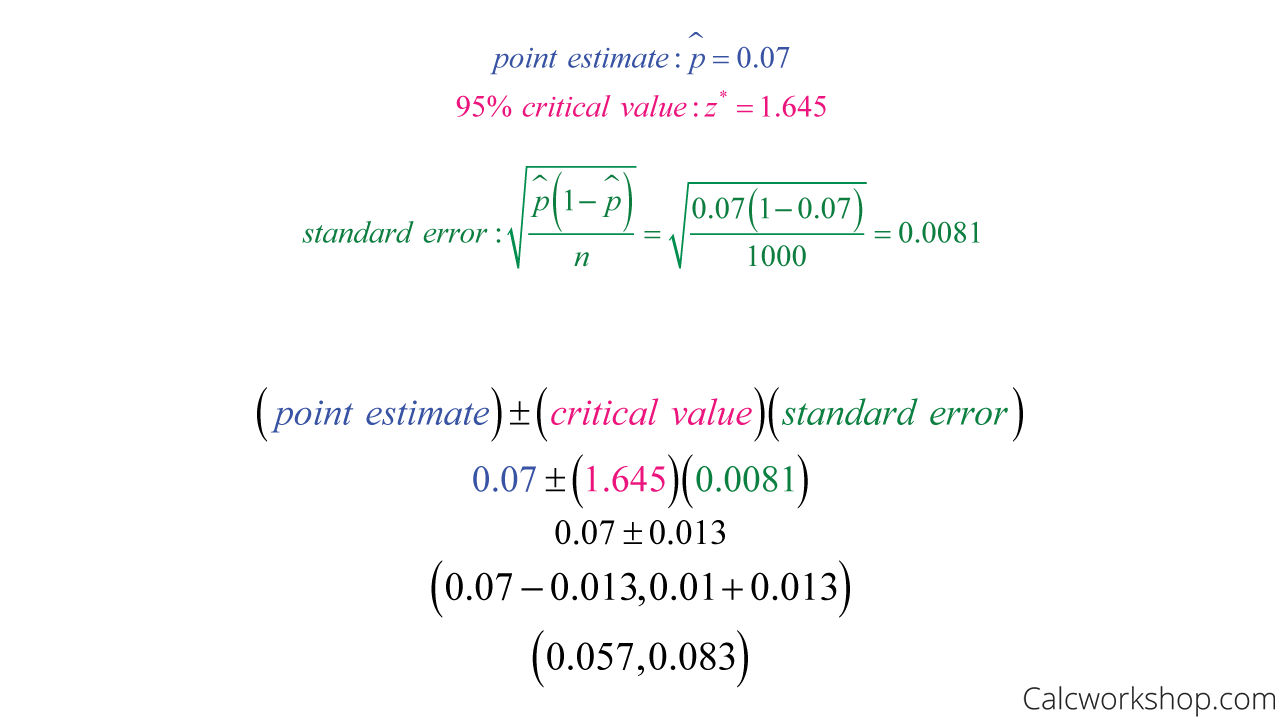
Population Proportion (Stat How-To W/ 7 Examples!)
 calcworkshop.com
Population Proportion (Stat How-To w/ 7 Examples!)
Population Proportion (Stat How-To W/ 7 Examples!)
 calcworkshop.com
Population Proportion (Stat How-To w/ 7 Examples!)
Confidence Interval Proportion Example
 studylib.net
studylib.net
Confidence Interval Proportion Example
How To Calculate Confidence Interval Proportion In Excel
 www.exceldemy.com
How to Calculate Confidence Interval Proportion in Excel
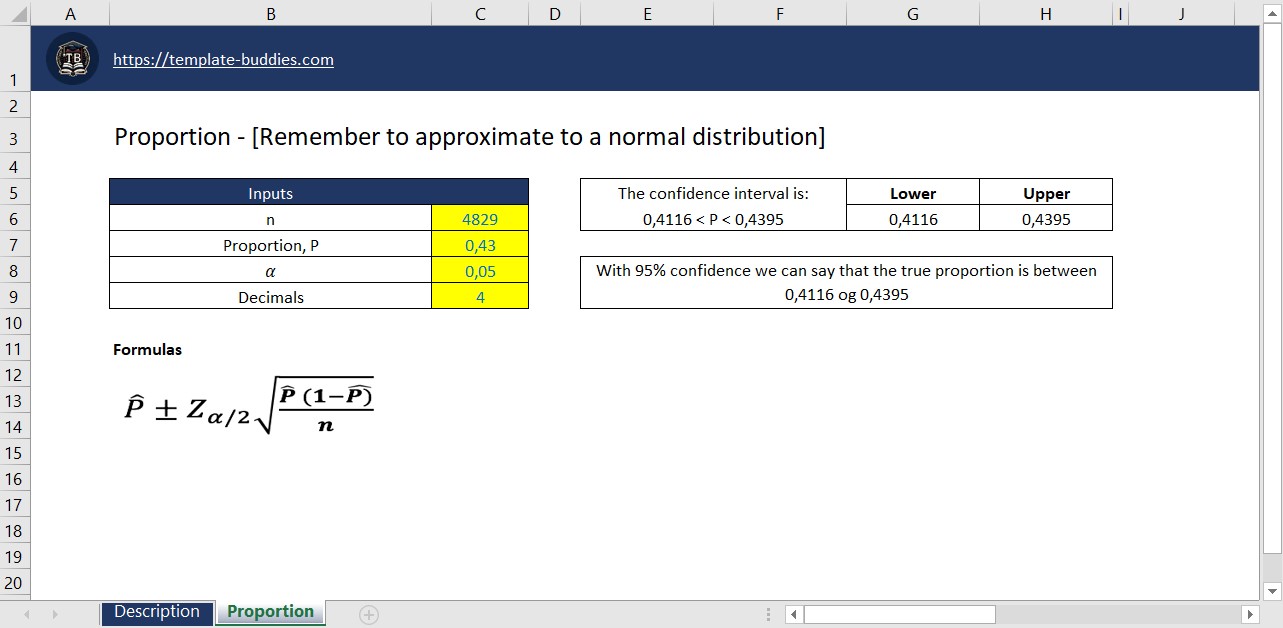
Confidence Interval – Proportion – Template Buddies
 template-buddies.com
Confidence Interval – Proportion – Template Buddies
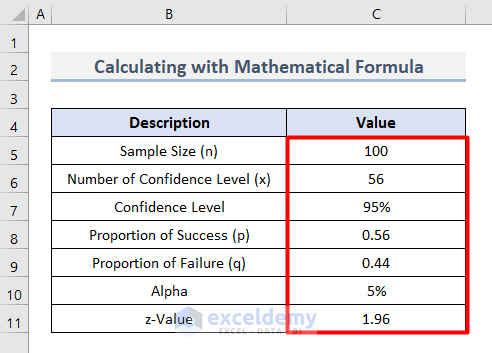
How To Calculate Confidence Interval Proportion In Excel
 www.exceldemy.com
How to Calculate Confidence Interval Proportion in Excel
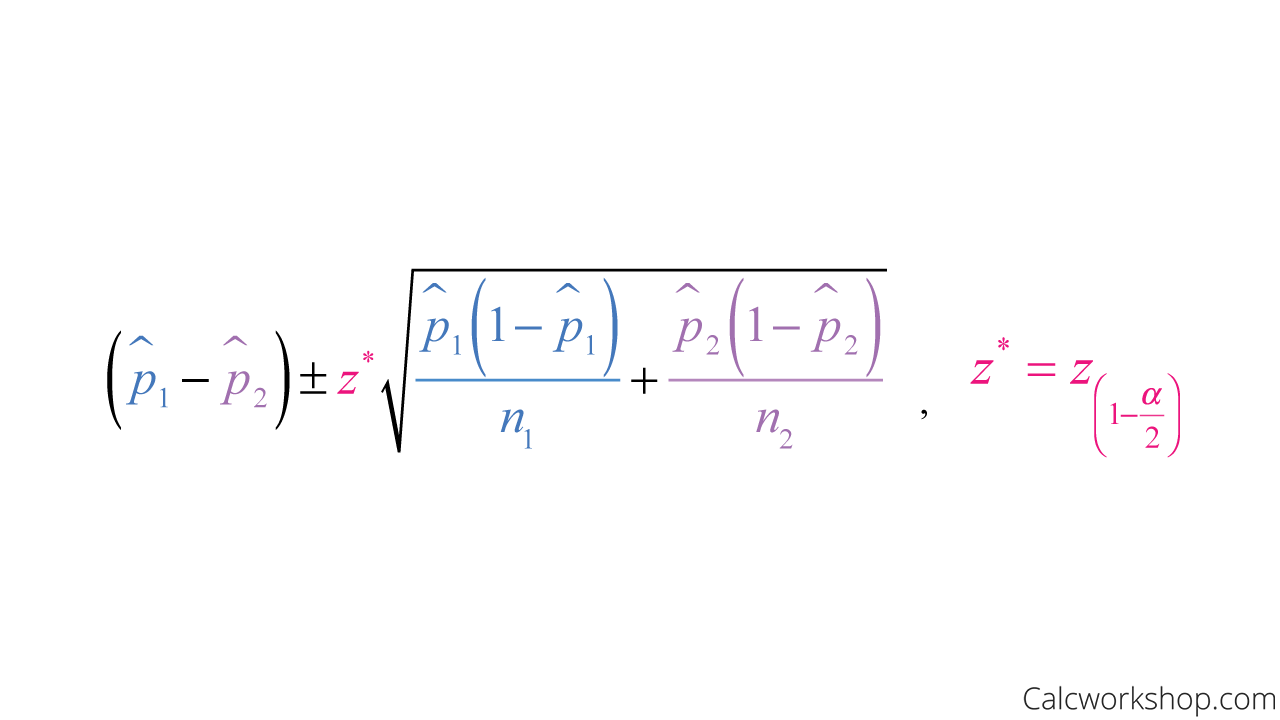
Population Proportion (Stat How-To W/ 7 Examples!)
 calcworkshop.com
Population Proportion (Stat How-To w/ 7 Examples!)
Population Proportion (Stat How-To W/ 7 Examples!)
 calcworkshop.com
Population Proportion (Stat How-To w/ 7 Examples!)
Proportion confidence interval calculator » gilderlehrman.org. Population proportion (stat how-to w/ 7 examples!). How to calculate confidence interval proportion in excel

