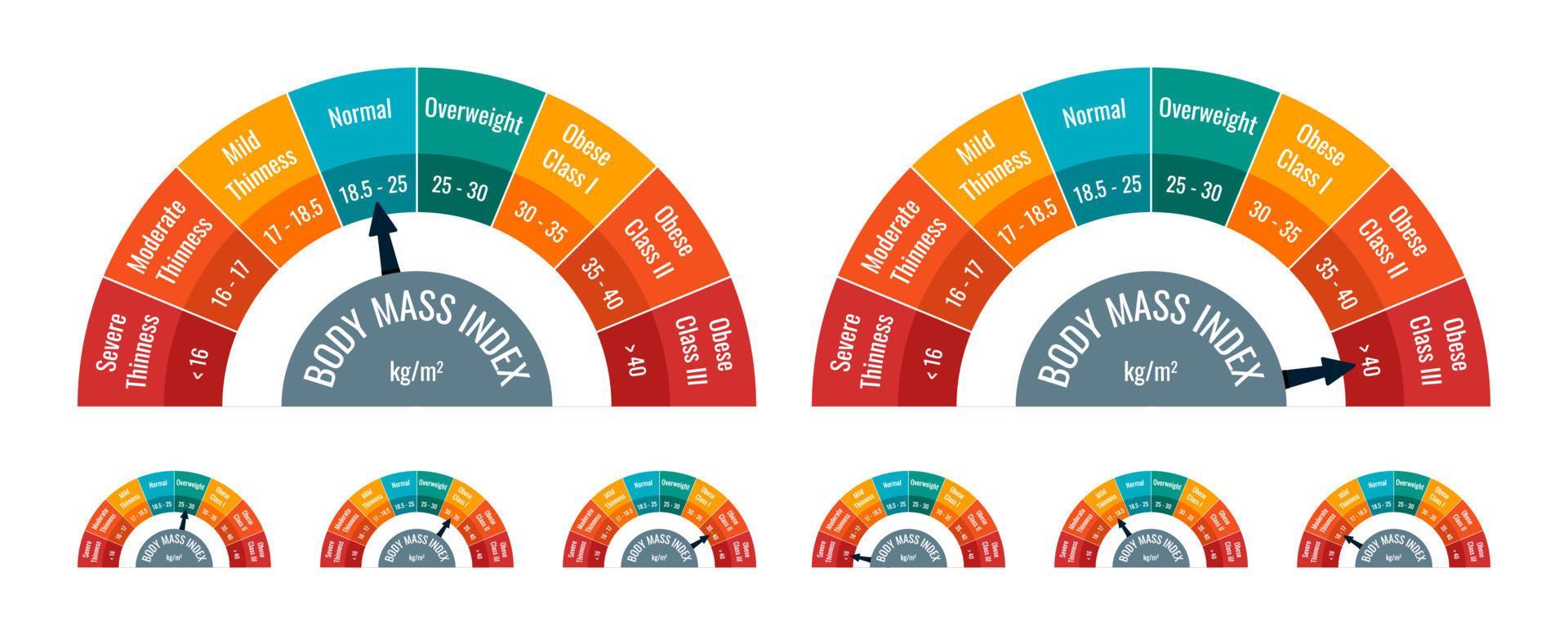
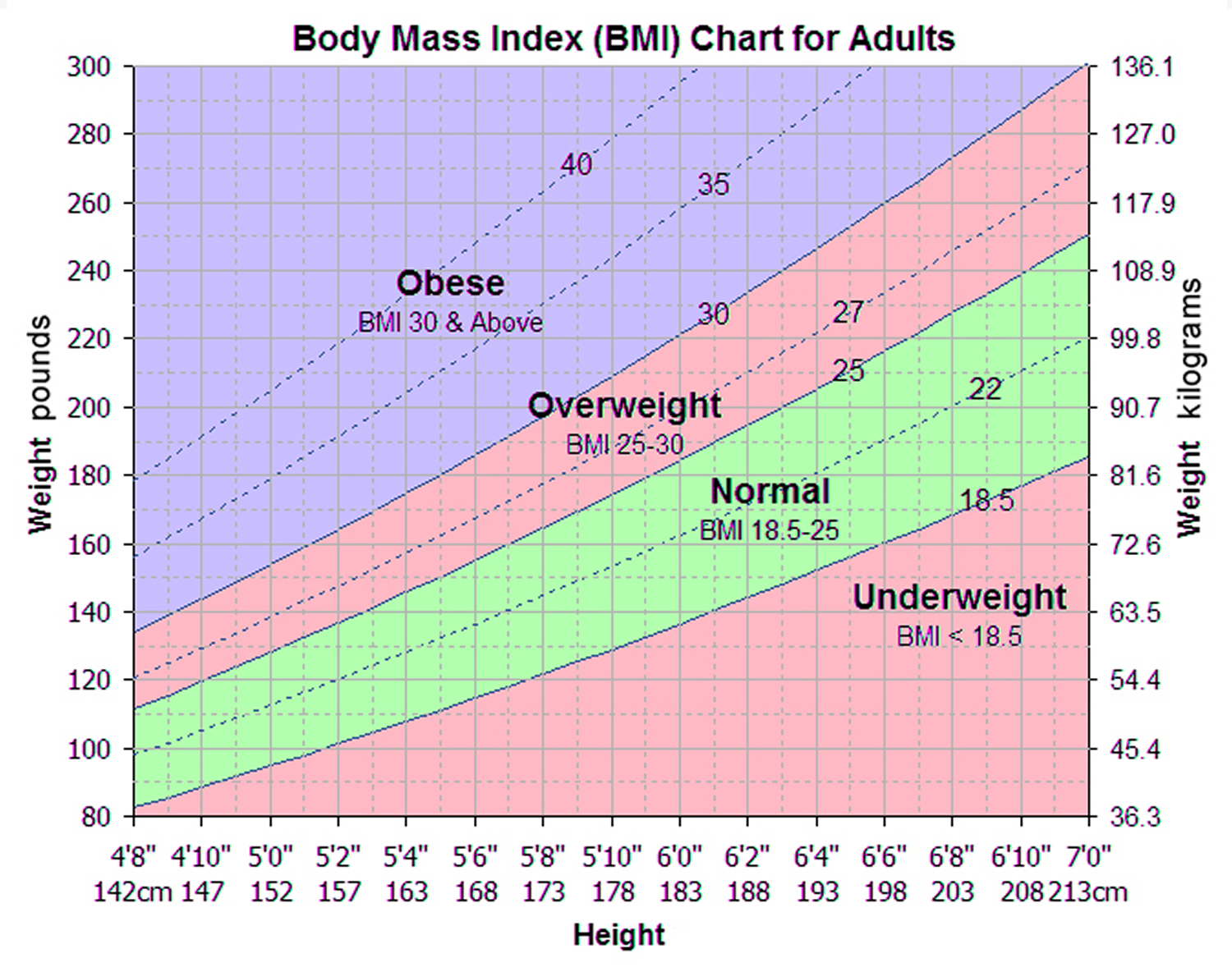
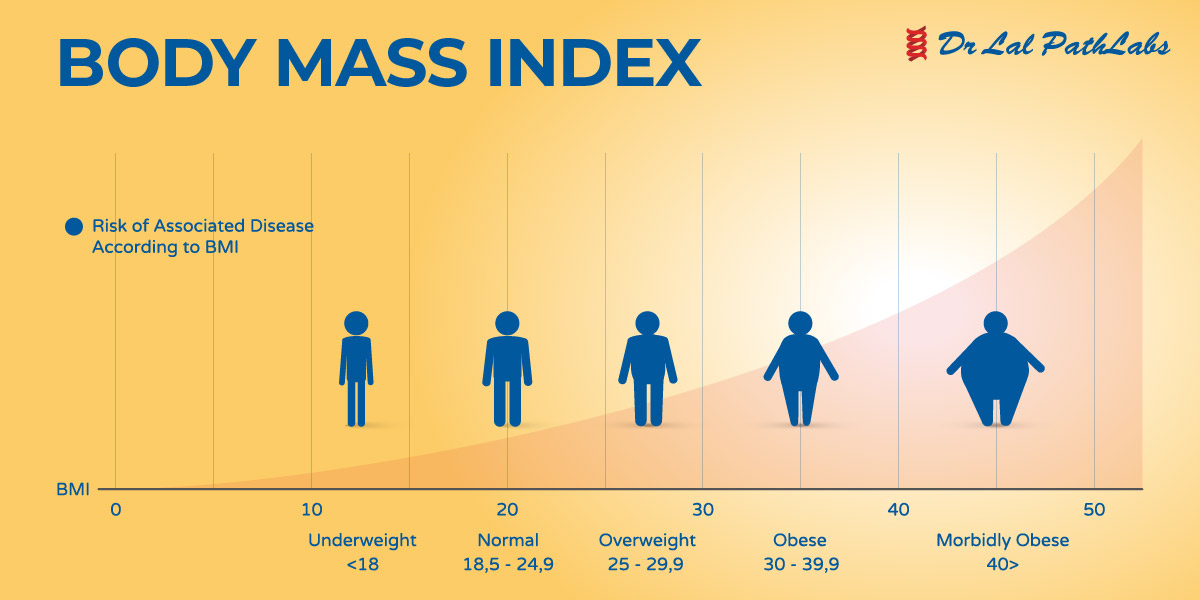
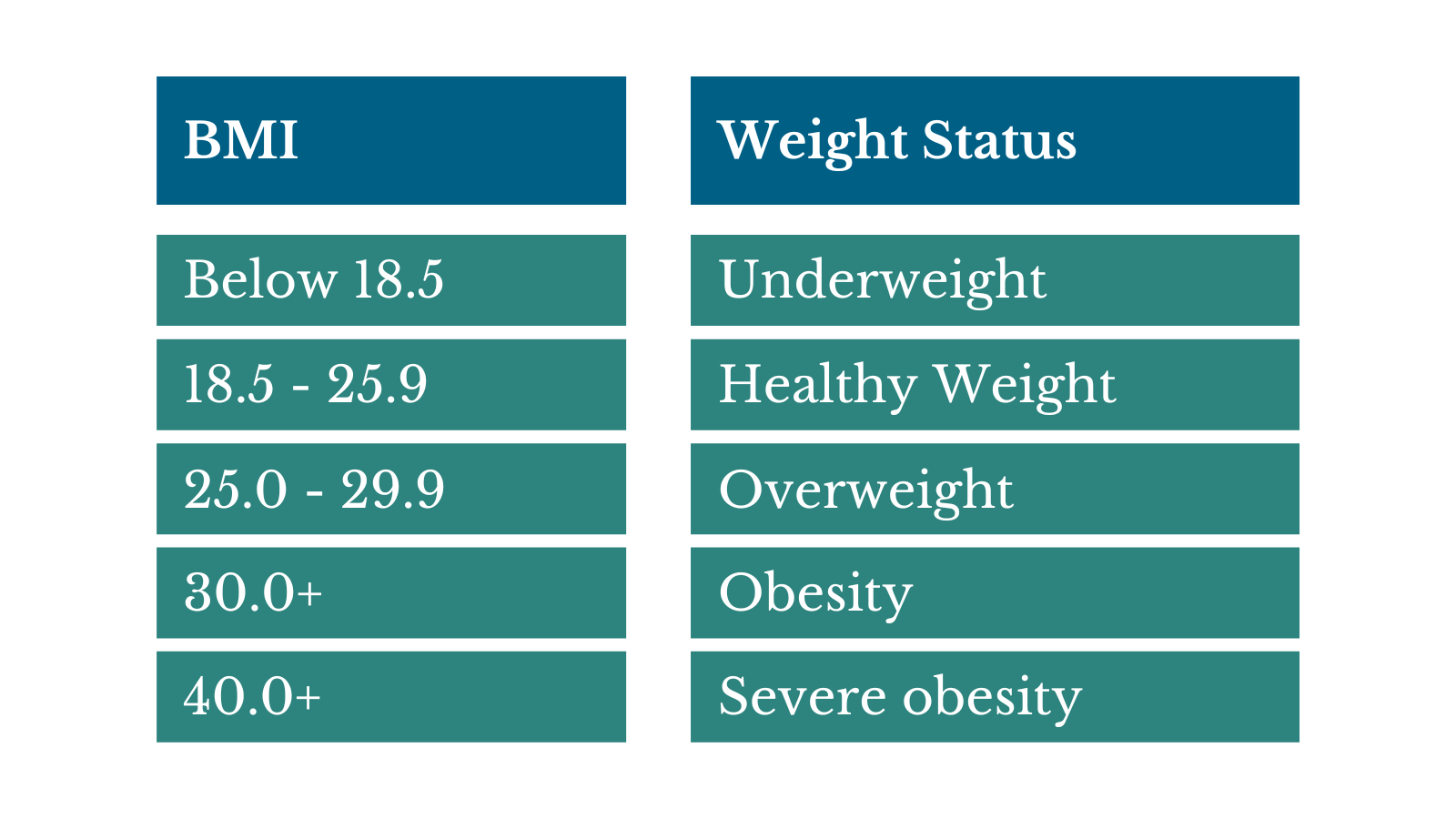
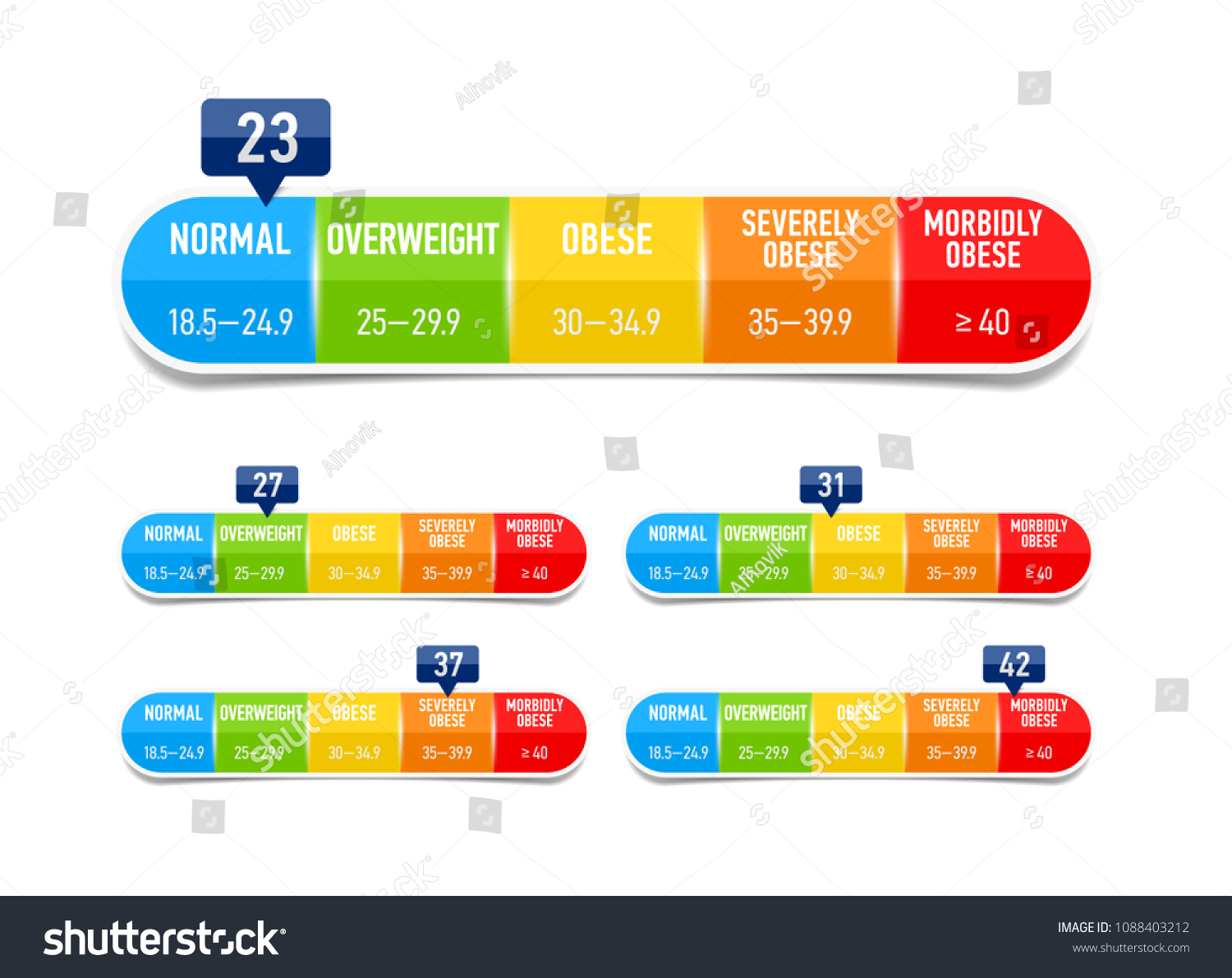
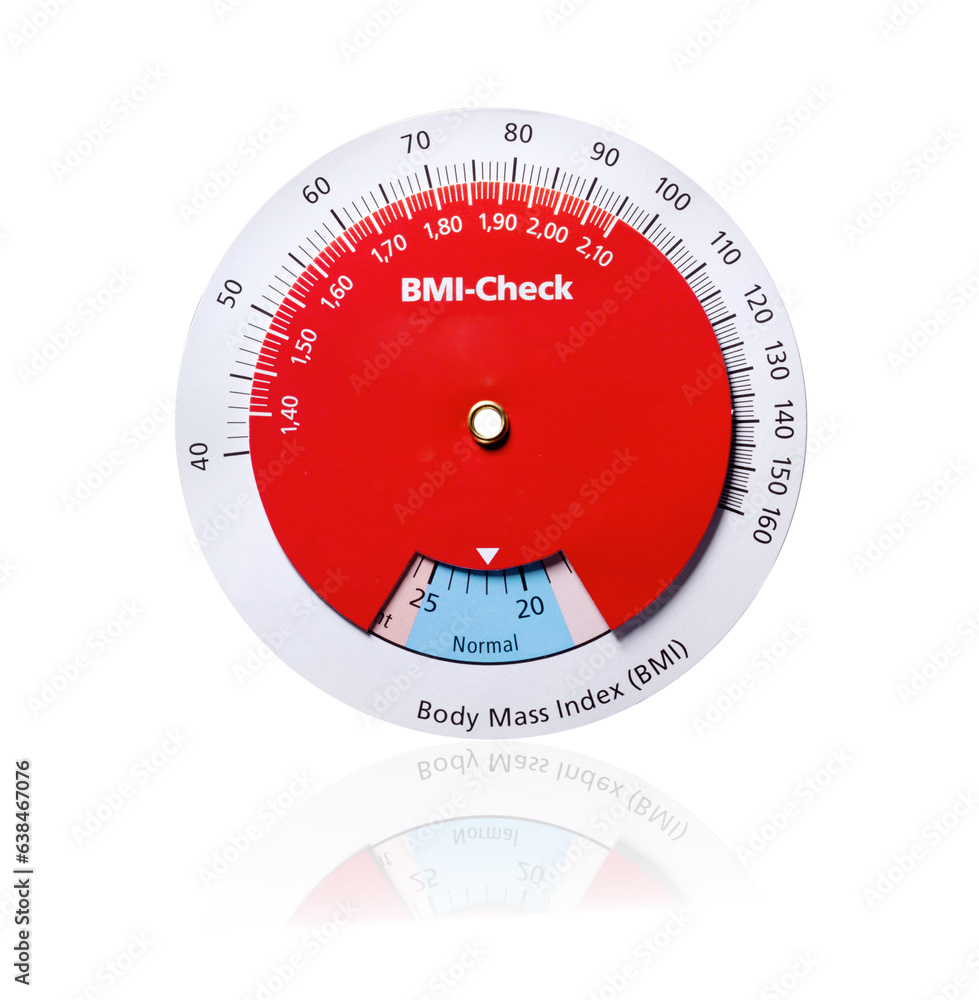
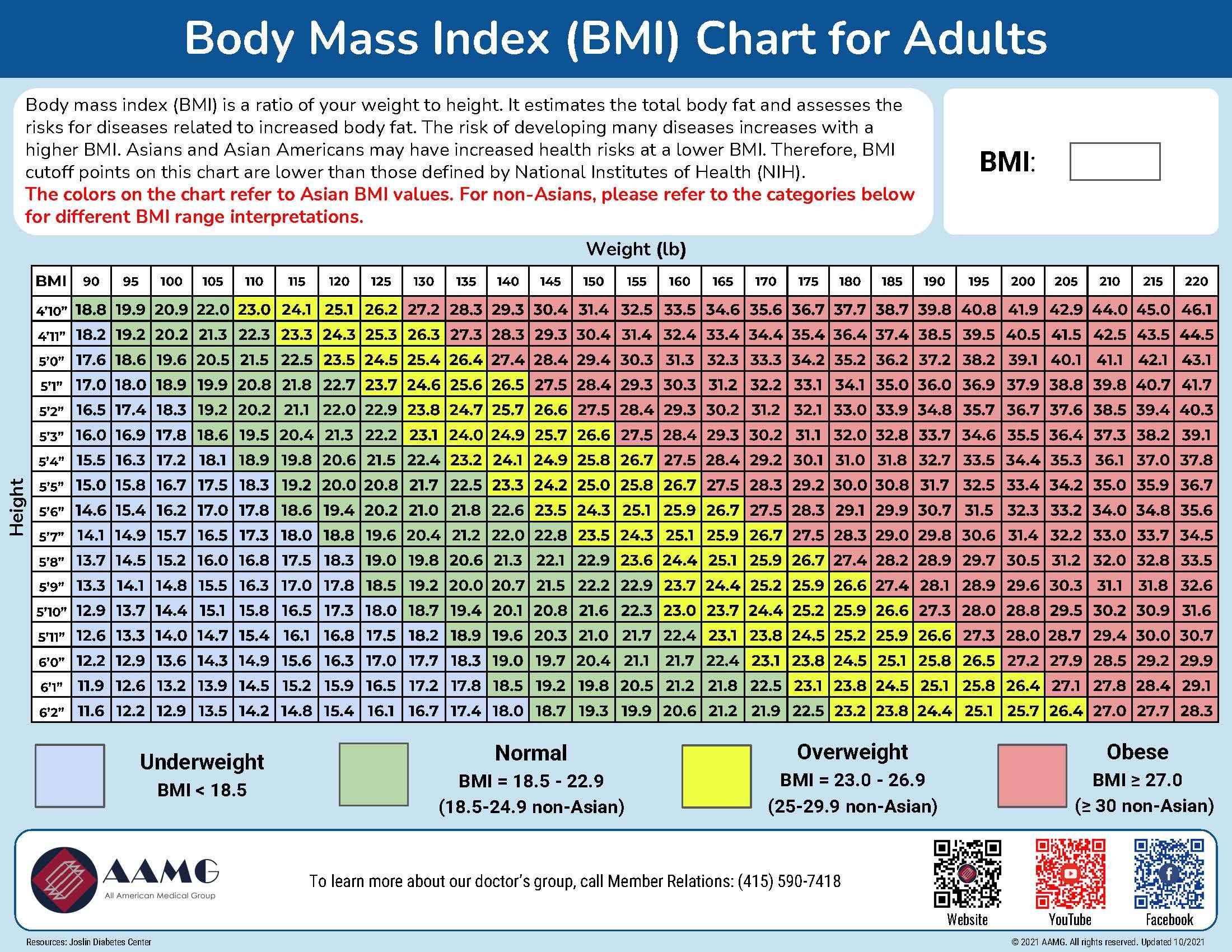
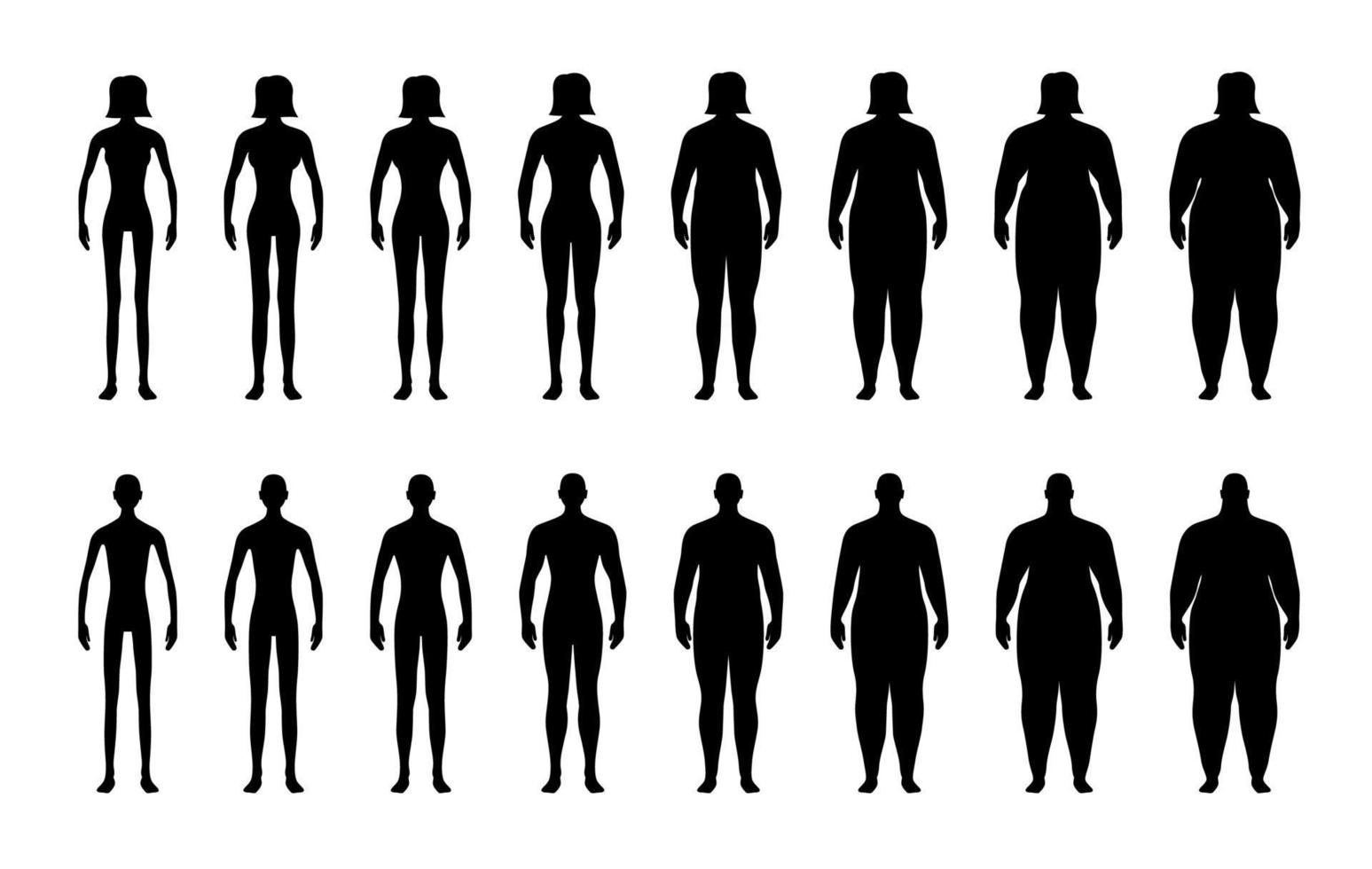
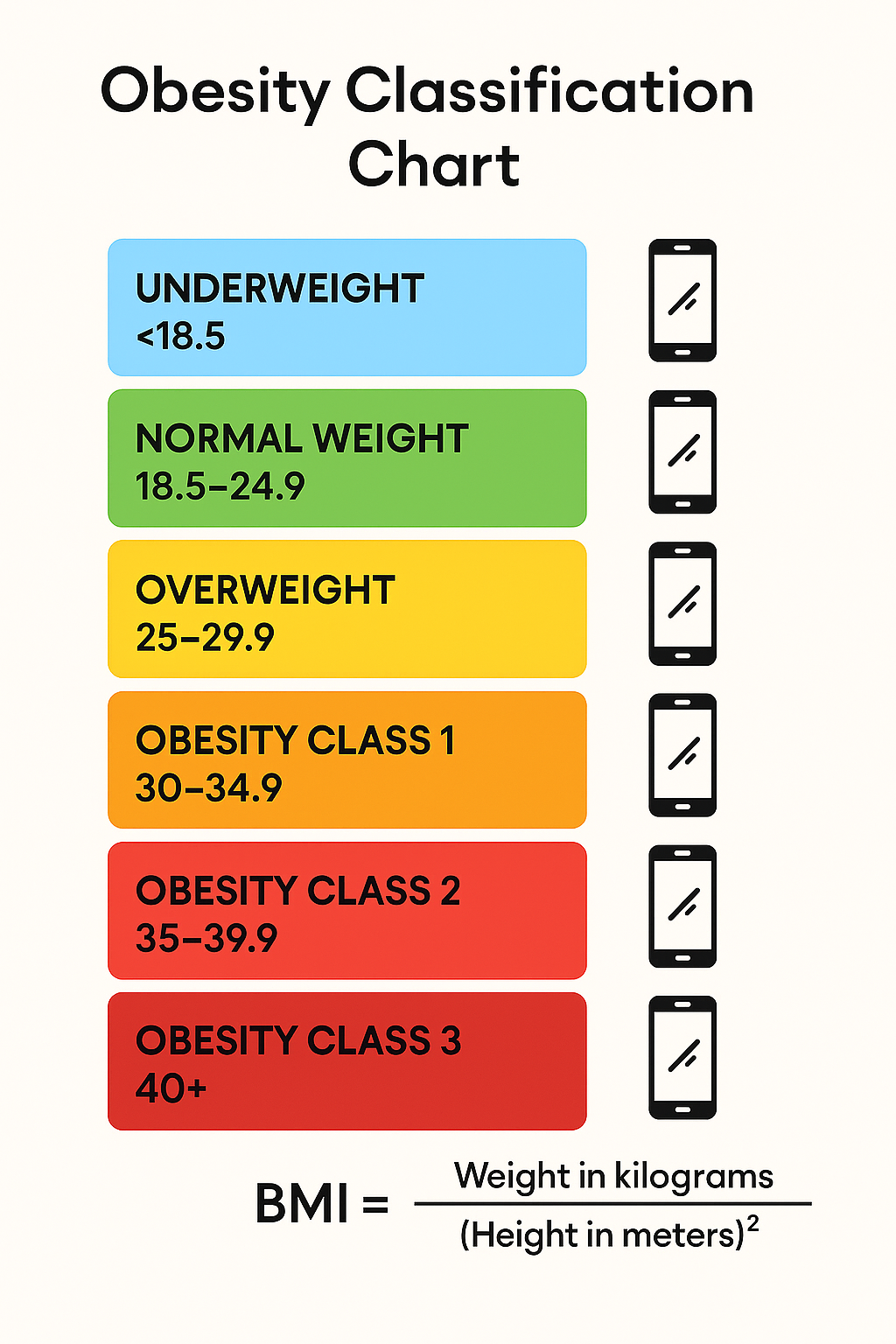
The Body Mass Index (BMI) classification chart is a widely used tool to assess weight status and health risks associated with being underweight, overweight, or obese. In the Asian context, where body composition and health risks may differ from those in Western populations, understanding the BMI classification chart is crucial for individuals to evaluate their health and take necessary precautions. Here's a breakdown of the BMI classification chart with an Asian perspective:
1. Underweight (BMI < 18.5)
Individuals with a BMI of less than 18.5 are considered underweight. In the Asian population, being underweight can be a significant health concern, particularly among the elderly, as it can increase the risk of osteoporosis, frailty, and mortality. Underweight individuals may need to consume more calories and engage in strength-training exercises to build muscle mass and improve overall health.
2. Normal Weight (BMI = 18.5-23)
For Asians, a BMI between 18.5 and 23 is considered normal weight. This range is associated with the lowest health risks, and individuals within this range are less likely to develop obesity-related diseases, such as diabetes and heart disease. Maintaining a healthy lifestyle, including a balanced diet and regular physical activity, is essential to sustain a normal weight and overall well-being.
3. Overweight (BMI = 23-27.5)
Asians with a BMI between 23 and 27.5 are considered overweight. This range is associated with an increased risk of developing chronic diseases, such as hypertension, dyslipidemia, and insulin resistance. Overweight individuals can benefit from lifestyle modifications, including dietary changes, increased physical activity, and stress management, to reduce their BMI and minimize health risks.
4. Obese (BMI ≥ 27.5)
Individuals with a BMI of 27.5 or higher are classified as obese. In the Asian population, obesity is a significant health concern, as it increases the risk of developing severe health conditions, such as cardiovascular disease, stroke, and certain types of cancer. Obese individuals may require medical attention, lifestyle modifications, and possibly medication to manage their weight and related health issues.
5. BMI Classification for Asians vs. Westerners
It's essential to note that the BMI classification chart may not be entirely applicable to the Asian population, as Asians tend to have a higher percentage of body fat for a given BMI compared to Westerners. As a result, the World Health Organization (WHO) has proposed different BMI cut-off points for Asians, with a BMI of 23 or higher considered overweight and 27.5 or higher considered obese.
6. Limitations of the BMI Classification Chart
While the BMI classification chart provides a general guide for assessing weight status, it has several limitations. BMI does not account for muscle mass, bone density, or body composition, which can vary significantly among individuals. Additionally, BMI may not accurately reflect health risks for certain populations, such as athletes or individuals with a large bone structure.
7. Health Risks Associated with Abnormal BMI
Abnormal BMI values, whether underweight, overweight, or obese, are associated with various health risks. For example, underweight individuals may be at risk of osteoporosis and impaired immune function, while overweight and obese individuals are at risk of developing insulin resistance, type 2 diabetes, and cardiovascular disease. Understanding these health risks is crucial for individuals to take proactive steps to maintain a healthy weight and lifestyle.
8. Importance of Waist Circumference in BMI Classification
Waist circumference is an essential measure that complements the BMI classification chart. For Asians, a waist circumference of 90 cm or greater for men and 80 cm or greater for women is associated with an increased risk of developing obesity-related diseases. Measuring waist circumference can help identify individuals who may be at risk of health problems, even if their BMI is within the normal range.
9. Lifestyle Modifications for a Healthy BMI
Maintaining a healthy BMI requires a combination of lifestyle modifications, including a balanced diet, regular physical activity, and stress management. A diet rich in fruits, vegetables, whole grains, and lean protein sources can help individuals achieve and sustain a healthy weight. Regular physical activity, such as walking, jogging, or swimming, can also contribute to weight management and overall health.
10. Conclusion and Recommendations
In conclusion, understanding the BMI classification chart is essential for individuals to evaluate their weight status and health risks. While the BMI chart has its limitations, it provides a useful guide for assessing weight and health. By combining BMI with other measures, such as waist circumference, and adopting healthy lifestyle habits, individuals can reduce their risk of developing obesity-related diseases and maintain overall well-being. It is recommended that individuals consult with healthcare professionals to determine their healthy weight range and develop a personalized plan to achieve and sustain a healthy BMI.
If you are searching about Bmi Classification Chart Who at Rachel Randall blog you've came to the right web. We have 10 Images about Bmi Classification Chart Who at Rachel Randall blog like BMI Classification Chart Measurement Woman Colorful, 56% OFF, Download Obesity Classification Chart (Based on BMI) and also Bmi Classification Chart Male at George Ashcraft blog. Here you go:
Bmi Classification Chart Who At Rachel Randall Blog
 storage.googleapis.com
Bmi Classification Chart Who at Rachel Randall blog
Bmi Classification Chart Male At George Ashcraft Blog
 storage.googleapis.com
Bmi Classification Chart Male at George Ashcraft blog
BMI Classification Chart Measurement Woman Colorful, 56% OFF
 www.pinnaxis.com
BMI Classification Chart Measurement Woman Colorful, 56% OFF
Bmi Classification Chart With Age At Hunter Peacock Blog
 storage.googleapis.com
Bmi Classification Chart With Age at Hunter Peacock blog
Bmi Classification Chart At Steve Mercado Blog
 storage.googleapis.com
Bmi Classification Chart at Steve Mercado blog
Body Mass Index Bmi Classification Chart Stock Vector (Royalty Free
 www.shutterstock.com
Body Mass Index Bmi Classification Chart Stock Vector (Royalty Free ...
Body Mass Index, Bmi Classification Chart Stock Photo | Adobe Stock
 stock.adobe.com
Body mass index, bmi classification chart Stock Photo | Adobe Stock
Bmi Classification Chart At Steve Mercado Blog
 storage.googleapis.com
Bmi Classification Chart at Steve Mercado blog
Bmi Classification Chart Male At George Ashcraft Blog
 storage.googleapis.com
Bmi Classification Chart Male at George Ashcraft blog
Download Obesity Classification Chart (Based On BMI)
 obesitytech.com
Download Obesity Classification Chart (Based on BMI)
Bmi classification chart male at george ashcraft blog. Bmi classification chart at steve mercado blog. bmi classification chart at steve mercado blog

